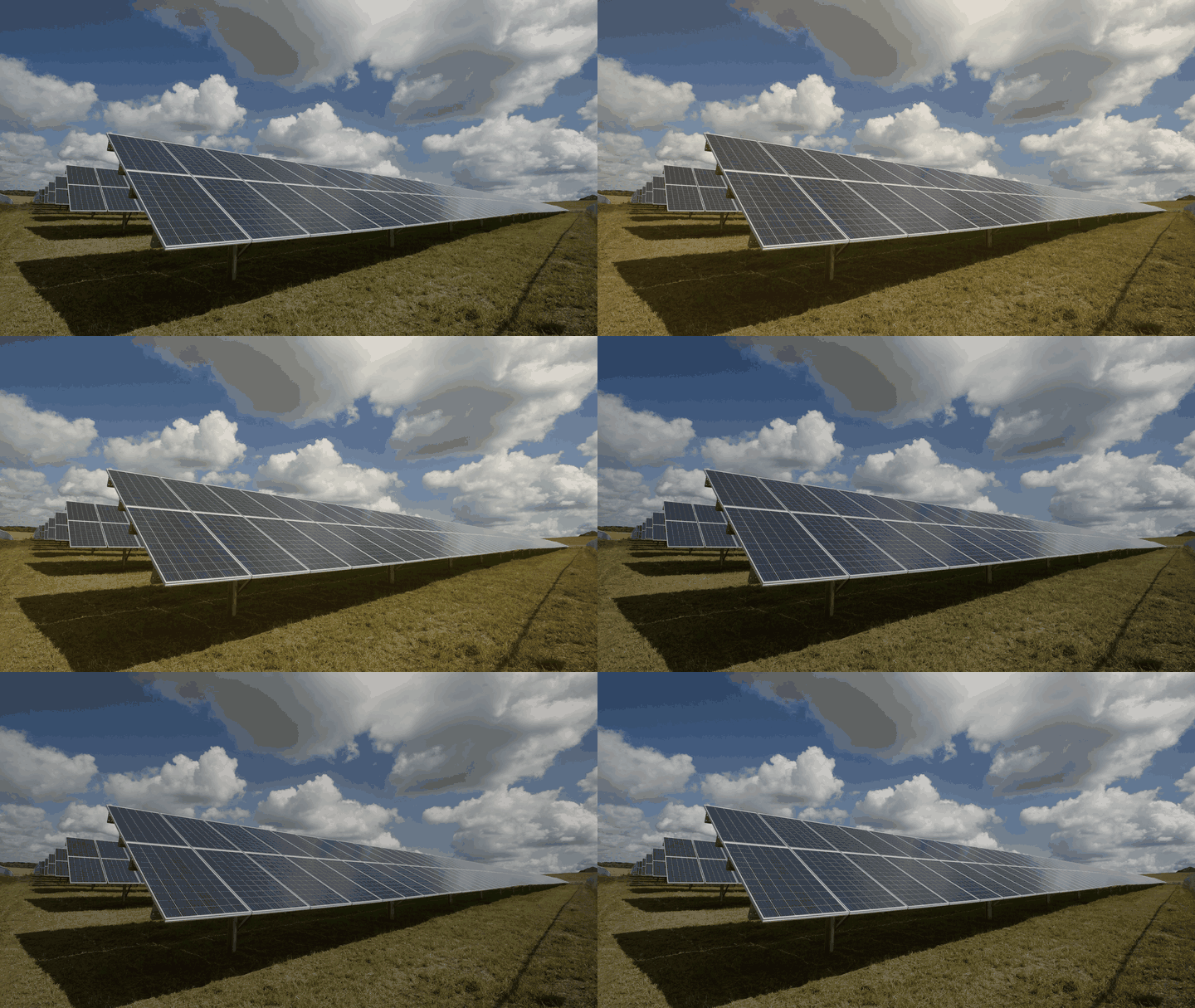
≈ 0 GW
added globally in 2024.
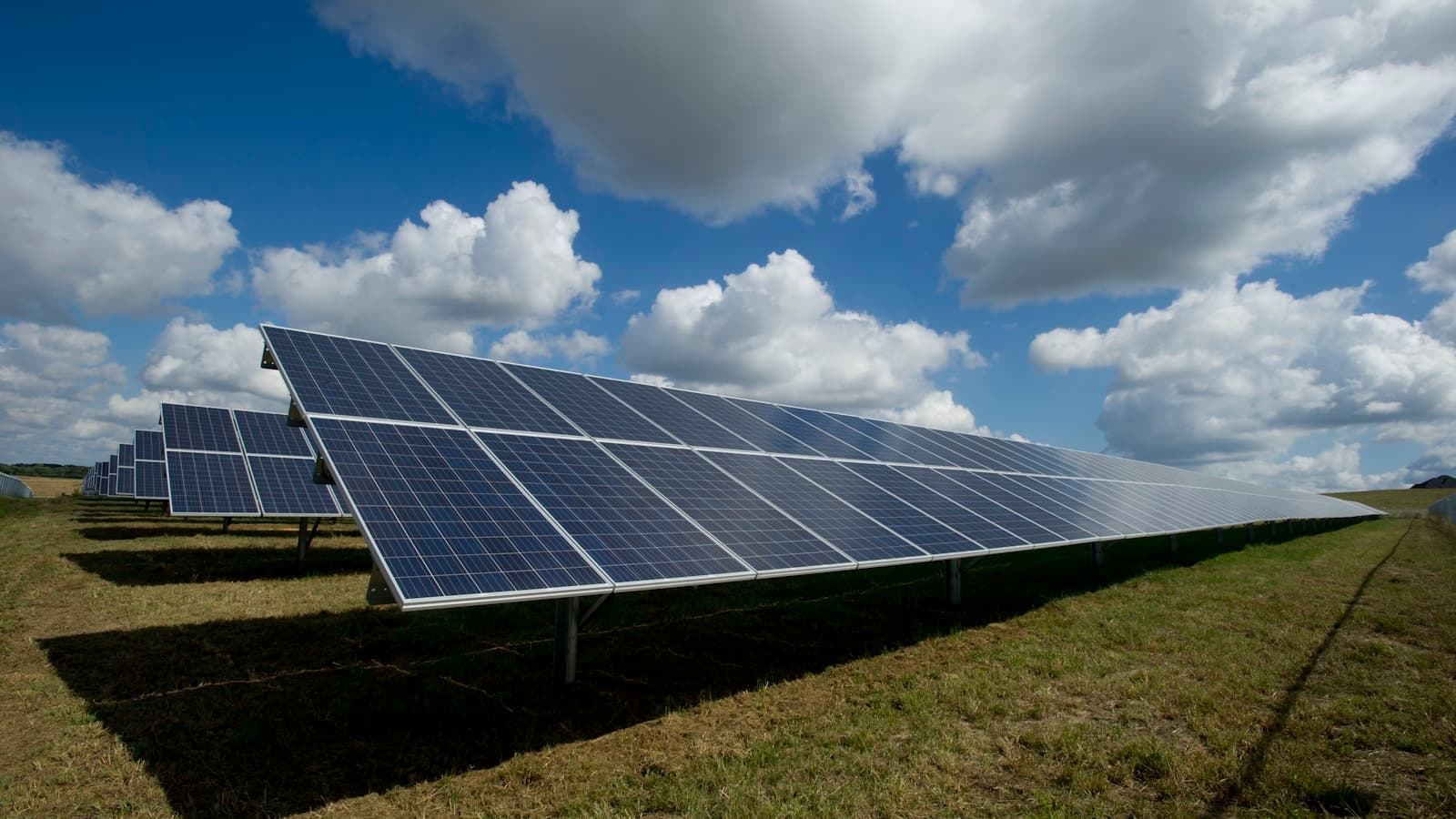
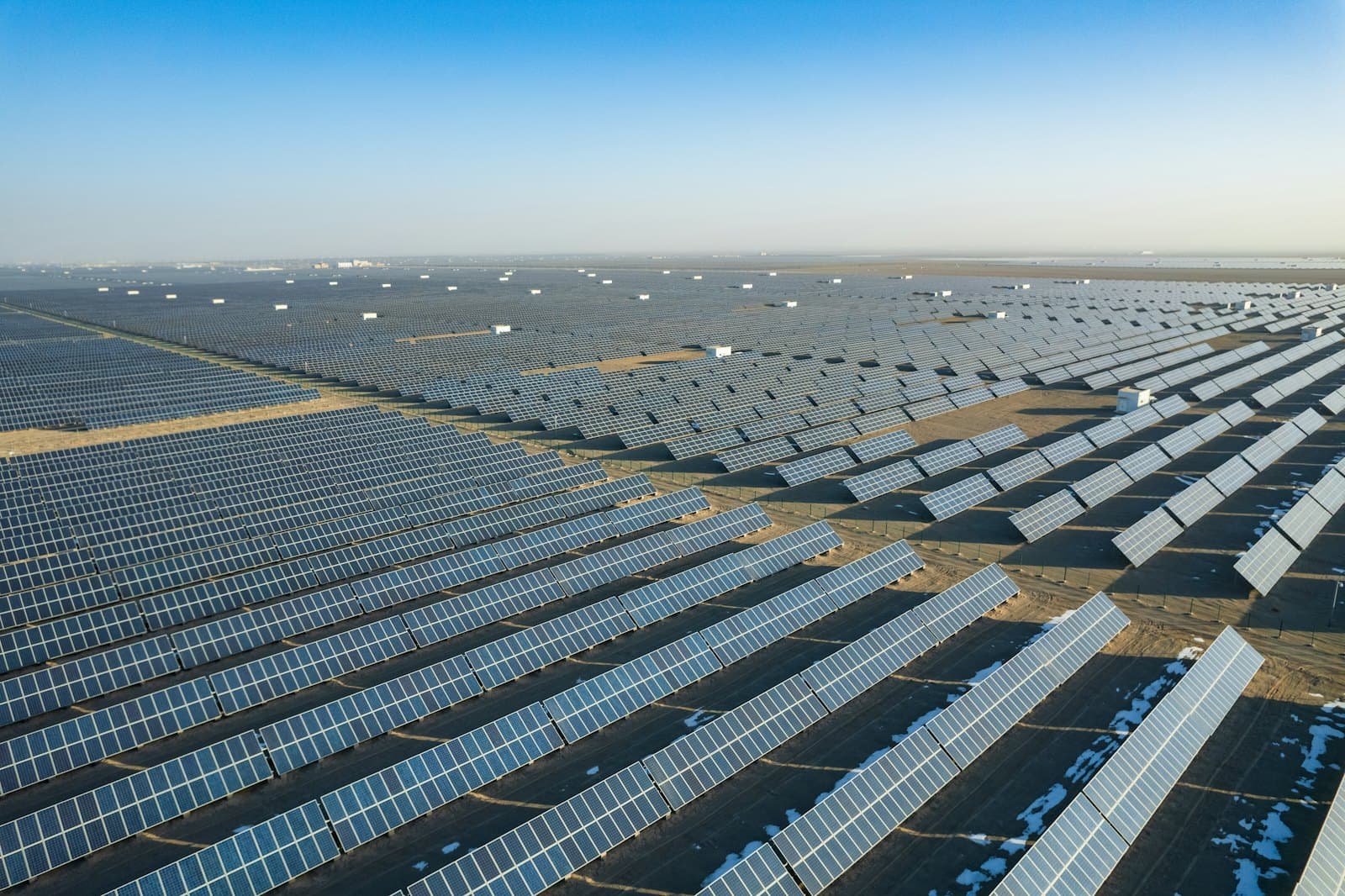
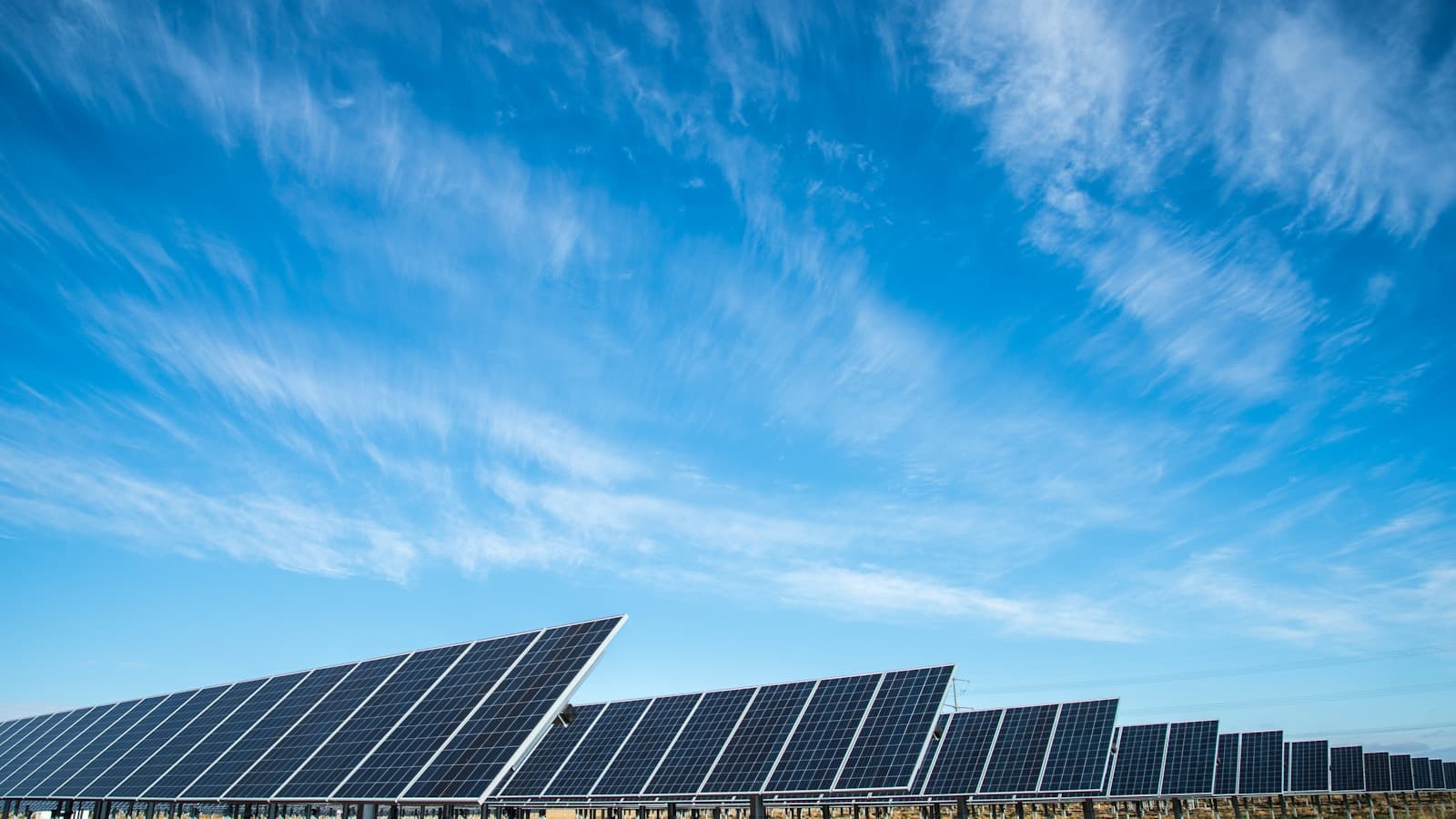
Solar is now the largest source of new electricity capacity ever added in a single year by humans. The cost curve has not stopped falling.
Energy infrastructure investor
Solar, storage, hydrogen, and grid systems with real industrial deployment paths. We lead or co-lead early rounds and stay through the hard middle.
Hardware-first diligence · Europe, Asia, Africa, Gulf region · Growth equity & project finance
≈ 0 GW
added globally in 2024.
Solar is now the largest source of new electricity capacity ever added in a single year by humans. The cost curve has not stopped falling.
≈ 0 GWh
new battery storage delivered in 2024.
Grid-scale batteries are doubling annually. Long-duration chemistries targeting 8–24 hours are moving from pilot to bankable.
≈ 0 GW
electrolyser capacity in FID by 2030.
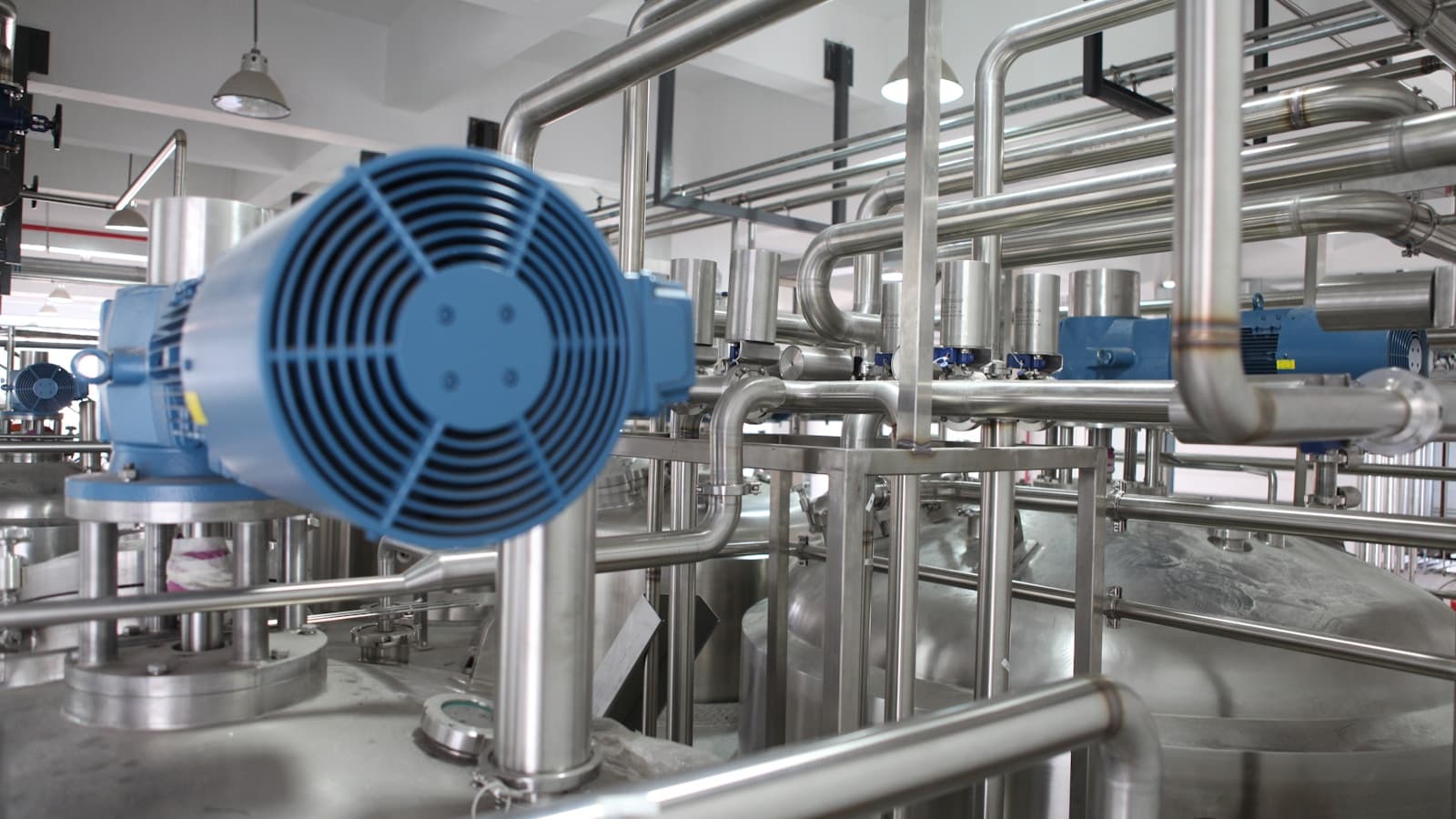
Green hydrogen is crossing the line from demonstration projects to bankable industrial offtake — steel, ammonia, refining, shipping.
Why energy
Not marketing lines — the firm's own read on why this stack deserves dedicated capital and technical patience.
Global electricity capacity will double between 2020 and 2040. Grids, storage, and the molecule layer (hydrogen, ammonia, e-fuels) are all being built new, at industrial scale, and under new economics. Most of the companies that will matter...
Energy is hardware-first. A one-percentage-point improvement in electrolyser efficiency, a chemistry that survives one thousand more cycles, a drilling tool that reaches depth for less — these are defensible, slow-moving advantages. They re...
The best energy companies take a decade to become obviously valuable. Our capital is structured so that we can wait; our board posture is that we are not the forcing function. Founders choose us when they need a decade of discipline, not a...
Three quarters of global emissions come from producing and using energy. Any credible path to net-zero runs through the energy system first. We believe this will remain the largest and most technically interesting investment opportunity of...
Field atlas
Built as a scan-first atlas, not a reading wall. Each card points to active sub-themes and why they matter right now.
Electrons
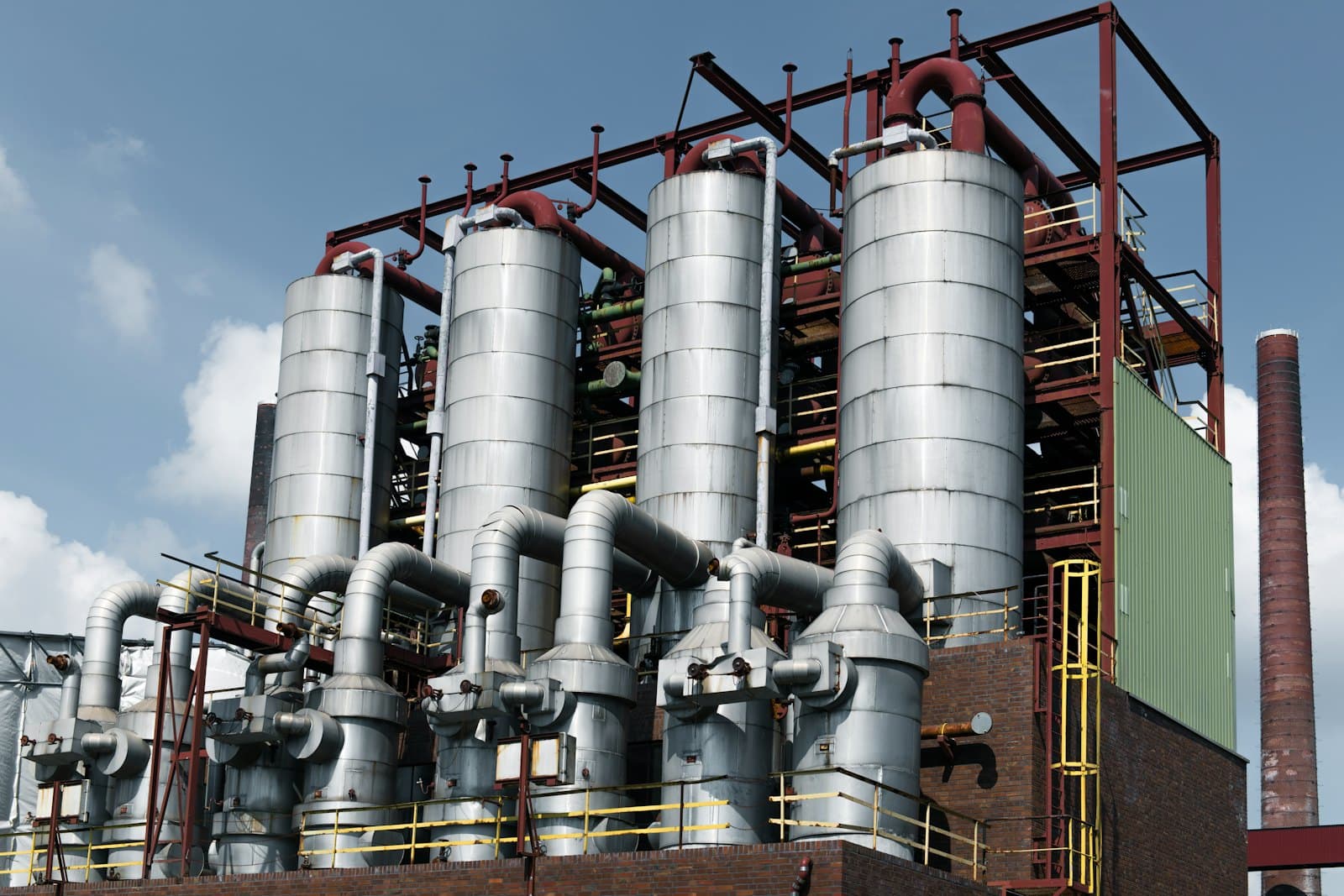
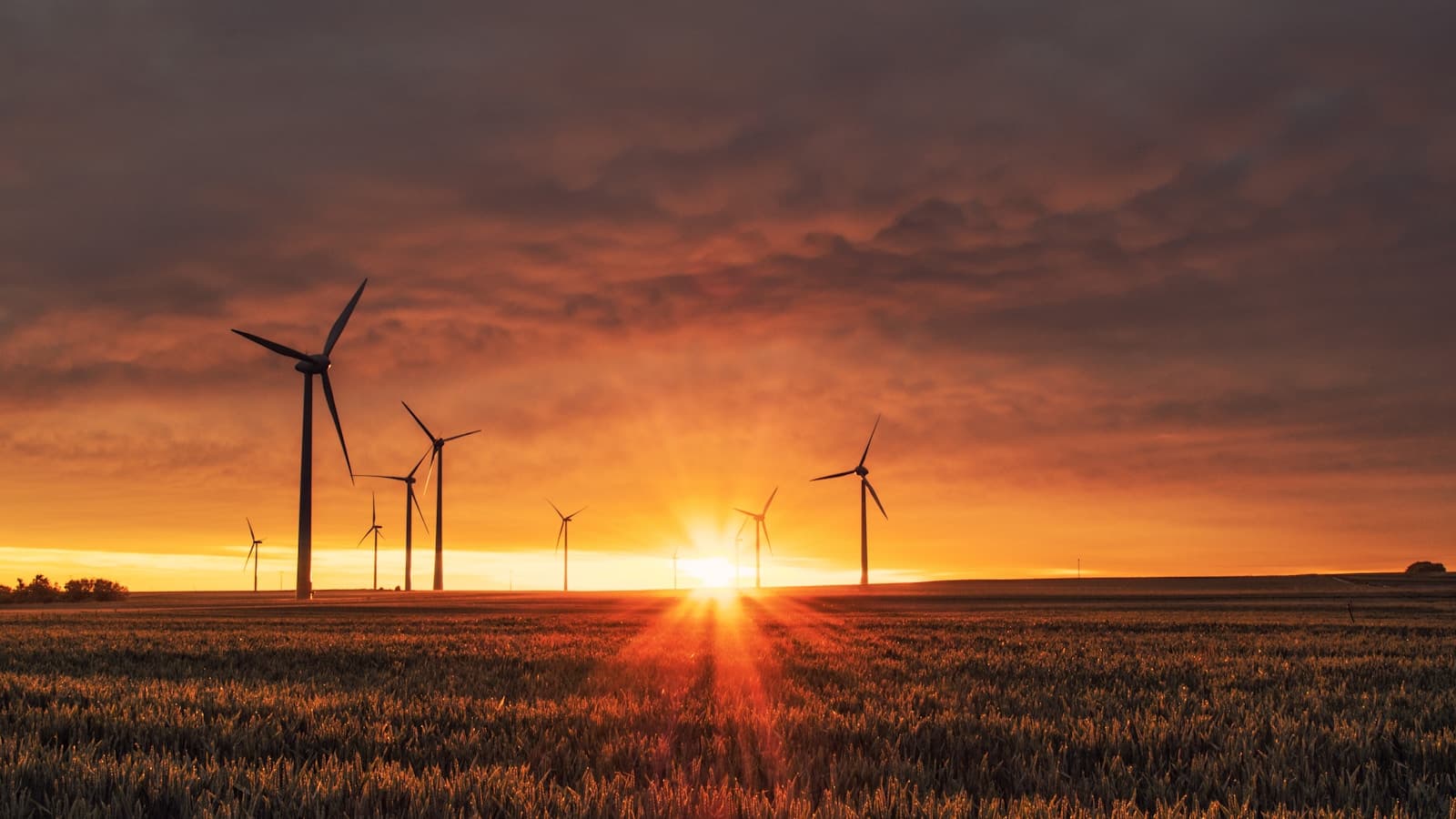
How clean electrons and molecules are produced. The capital-intensive base of the transition — where physics, siting, and supply chains meet.
Molecules
Electrolysis, green hydrogen, and the derivative molecules — ammonia, methanol, sustainable aviation fuel — that carry energy across time and distance...
Time
Shifting energy across time. Batteries, long-duration chemistries, and thermal storage that make intermittent generation firm.
Space
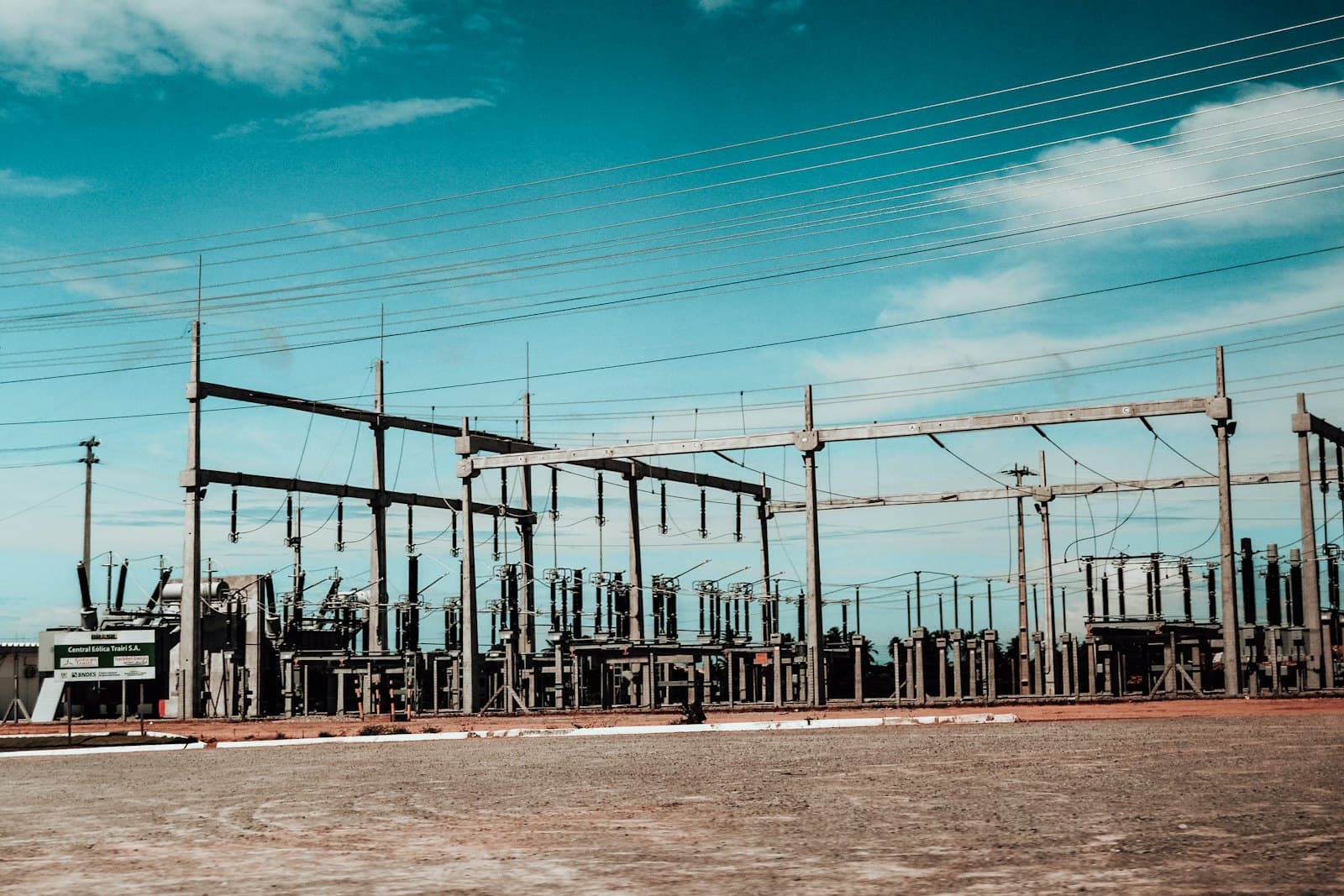
Moving energy across space and matching supply to demand. High-voltage hardware, distribution software, and the flexibility markets that price it all.
Selected projects
Active lead and co-lead positions across the four domains — where the engineering is real and the offtake is contractual.
1.2 GW of utility-scale solar paired with 600 MWh of co-located storage in northern Ghana, contracted to grid and industrial offtakers on long-term PPAs.
400 MW of electrolysis feeding a green-ammonia plant on the Gulf of Guinea, underwritten by long-term shipping-fuel and fertiliser offtake from named industrial counterparties.
High-voltage transmission and converter stations linking southern Vietnam's solar and wind build-out to coastal demand centres, de-risked by a regulated revenue floor.
How we work
Five stages. Each one has a named owner inside the firm, a predictable timeline, and a written output. Founders should be able to tell from week two whether a conversation is moving.
One of the investment team reads the deck personally and replies. A technical pass gets a technical objection, not a template decline.
Stack tests, cycling data, reactor models, grid-code reading. Diligence is led in-house by the investment team — no outsourced advisors, no reference-call theatre.
A written investment memo is drafted by the sponsoring partner, reviewed against the standing thesis for the field, and dissented against in writing where relevant.
We lead or co-lead. Term sheets are short, negotiated directly, and reflect a decade-long board posture rather than an exit-optimised cap table.
We expect to remain on the register through subsequent rounds. Our posture on the board is that we are not the forcing function — founders run their companies, we help when asked.
Investment thesis
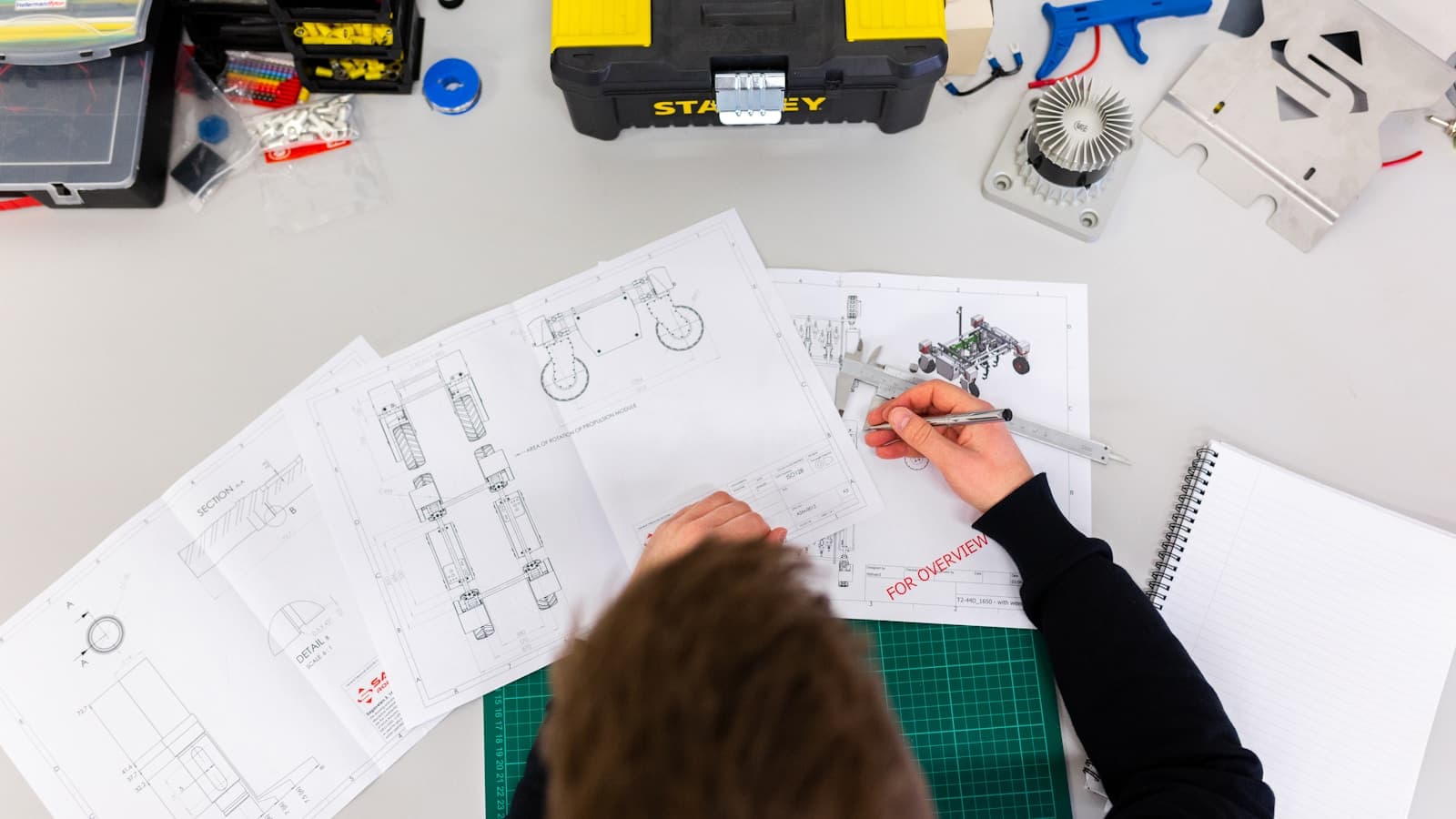
Technical diligence is led in-house by the investment team. We have run stack tests, read cycling curves, and sat at drill sites. We do not outsource the physics.
Energy companies take ten years to become obviously valuable. Our capital is structured to wait; our board posture is that we are not the forcing function.
We back projects whose economics work without a subsidy that can be withdrawn. Offtake is industrial — ammonia, steel, fertiliser, refining — and contractual.
Europe, Asia, Africa, Gulf region. Close enough to visit the plant, to meet the regulator, to understand the grid code. Not a global fund pretending to have feet in every market.
Counter-thesis
Stated publicly so that nobody spends a week on a conversation that ends in a template decline. The list below is a hard filter, not a negotiating position.
Before you write
Eight answers that settle most of the first-meeting agenda in advance, so the conversation can begin where it matters — on the technology.
Yes. We lead or co-lead in growth equity and project finance. We do not take small passive positions to keep an option open.
What the company does in one paragraph, the stage and size of the round, and — if the technology is the product — one or two sentences on the defensibility. A deck is welcome but not required for a first reply.
First reply within five business days. A full diligence cycle runs three to six weeks from first call to signed term sheet, with almost all of the time in technical work rather than process.
Rarely, and only where the technology was developed in one of those regions. We do not underwrite markets whose regulators and utilities we do not know personally.
Yes. Reserves are meaningful — we expect to defend our ownership through subsequent rounds where the company is performing.
We do not sign NDAs to take a first meeting. Sensitive technical detail can wait until diligence is under way; at that point we sign a customary mutual NDA.
Offset-led climate business models, residential-only energy products, subsidy-farming projects, and 'platforms' that are dashboards on somebody else's hardware. The full declined list is on the approach page.
Honesty about what is not working, early. Time in the plant, not the pitch. And a monthly written update — one page is enough — that we actually read and reply to.
Electrolyser capital cost and durability — not electricity price — are the two variables that actually settle the green-hydrogen question. A short argument from the cost curve.
Note on storageShort-duration lithium is solved. Seasonal storage runs through hydrogen. The interesting commercial window sits in between — and almost none of it is lithium.
Note on nuclearSMRs are not a silver bullet. Regulatory pace, supply chain depth, and first-of-a-kind cost overruns are the three variables that will decide the sector.