Skip to content

Field atlas

Four sectors, fully mapped.

This is the long view of the same atlas on the home page — every sub-theme we underwrite, with enough depth to decide whether a conversation belongs here.

← Back to overview

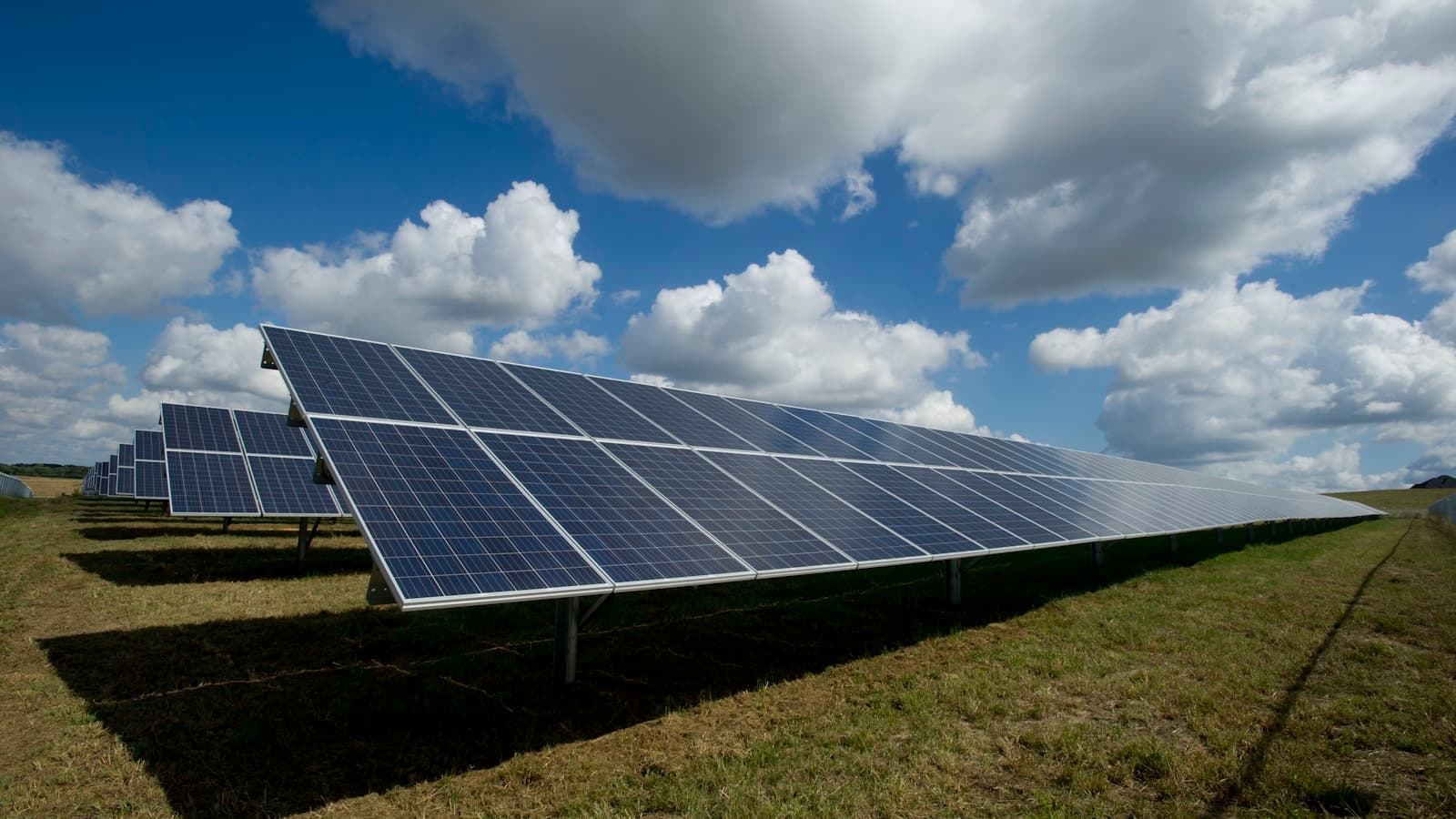
Aerial view of a utility-scale solar field at low sun.

Electrons

Generation

How clean electrons and molecules are produced. The capital-intensive base of the transition — where physics, siting, and supply chains meet.

  • Solar photovoltaic

    Next-generation cell architectures — perovskite-silicon tandems, high-efficiency heterojunction — plus large-scale PV deployment and solar-for-industrial-heat.

    Solar is the cheapest electricity humans have ever produced and continues to fall. We look at cell-level innovation that pushes efficiency past 30%, at manufacturing processes that can be localised outside China, and at applications where solar meets industrial demand directly (green hydrogen, process heat, desalination).

    Declined — Residential-only software plays; marketplace aggregators with no technical moat.

  • Wind — onshore, offshore, floating

    Larger rotors, floating platforms, and grid-connection expertise where siting has become the rate limit.

    Offshore wind is now the largest single source of clean electrons in Northern Europe. We back platform and turbine innovation, floating foundations that open deep-water sites, and the narrow layer of specialists who can navigate grid connection and permitting at scale.

    Declined — Bladesharing / retrofit services without a defensible technical position.

  • Nuclear — SMR, advanced fission, fusion

    Small modular reactors, Gen-IV fission, and commercial-pathway fusion.

    Nuclear is the densest clean-energy source humans have mastered. We take positions in small modular reactor designs reaching regulatory milestones, in advanced fission chemistries (molten salt, high-temperature gas), and selectively in fusion companies whose path to net-energy is grounded in physics the team has personally advanced.

    Declined — Fusion companies whose differentiation is a marketing narrative rather than a reactor.

  • Geothermal — EGS, deep drilling

    Enhanced geothermal and next-generation drilling that unlock heat under any ground.

    Geothermal has been geographically bounded for a century. Enhanced geothermal systems and new drilling technologies (plasma, millimetre-wave) are breaking that constraint. We invest in the drilling stack, in closed-loop geothermal designs, and in district-heating applications that turn subsurface heat into structural demand.

    Declined — Surface heat-pump resellers.
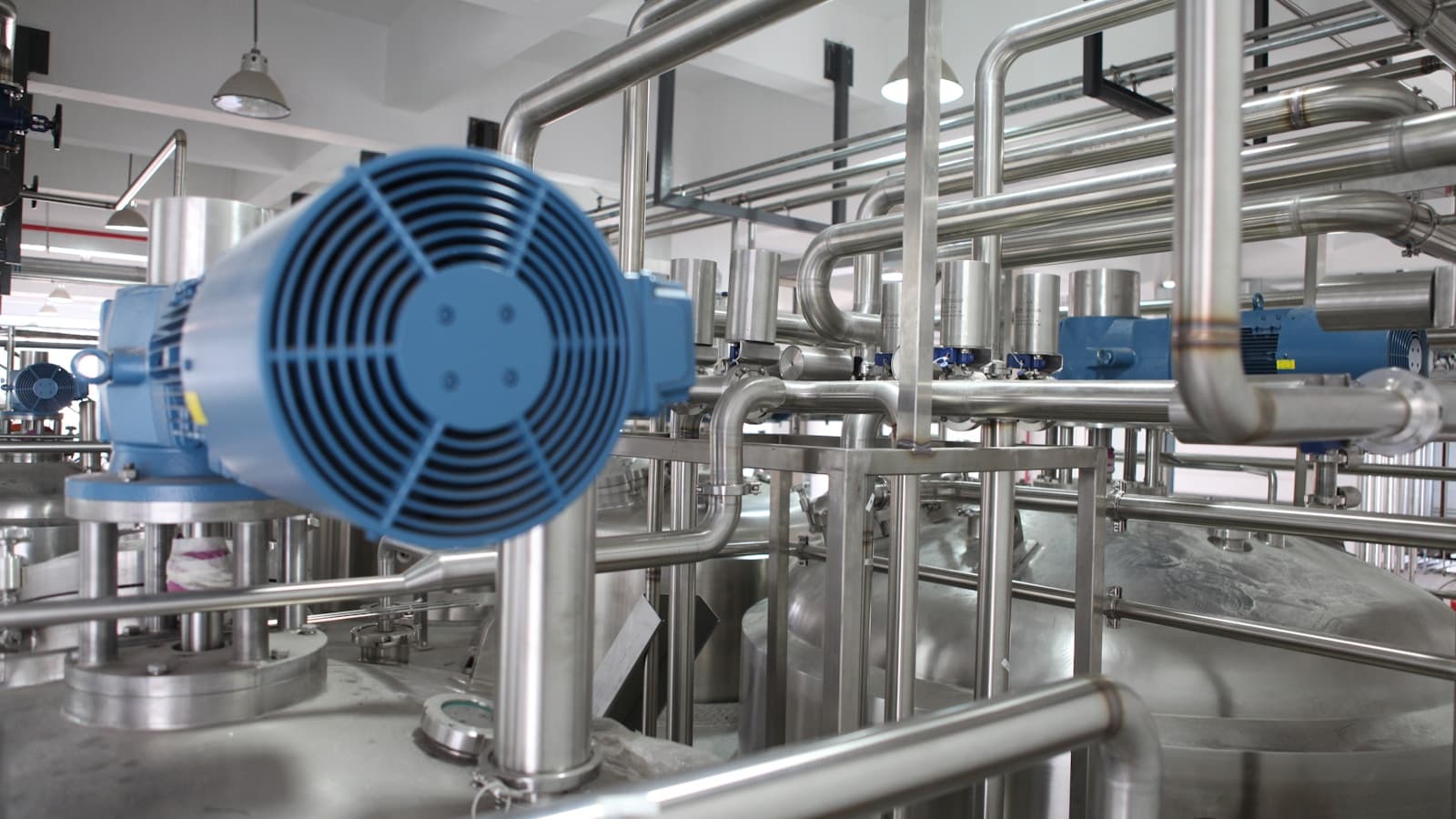
Industrial PEM electrolyser stack in operation.

Molecules

Hydrogen & green molecules

Electrolysis, green hydrogen, and the derivative molecules — ammonia, methanol, sustainable aviation fuel — that carry energy across time and distance.

  • Electrolysers

    Alkaline, PEM, and solid-oxide stacks — the hardware that turns electricity into H₂.

    Electrolyser capital cost and stack durability are the two variables that decide whether green hydrogen wins. We invest in stack chemistries and balance-of-plant designs that change the slope of the cost curve, especially solid-oxide (SOEC) systems that use waste heat, and in European gigawatt-scale manufacturing capacity.

    Declined — 'Hydrogen platforms' with no stack technology of their own.

  • Green hydrogen production

    Integrated H₂ production paired to renewable generation, with structural offtake.

    We are comfortable with green hydrogen projects where the offtake is contractual and industrial — ammonia, refining, steel reduction, fertiliser — and where the economics do not depend on subsidies that can be withdrawn. Hydrogen-for-cars is not in our mandate.

    Declined — Subsidy-farming projects; mobility-led hydrogen.

  • Ammonia, methanol & synthetic fuels

    Carrier molecules for shipping, aviation, and long-distance storage.

    Ammonia is the most practical long-distance carrier of green hydrogen and the leading candidate for clean shipping fuel. Green methanol and synthetic aviation fuel (e-SAF) inherit the existing fuel infrastructure. We invest in the catalysts, reactors, and integrated plants that make these molecules at industrial cost.

    Declined — E-fuels with no named industrial offtaker.

  • Fuel cells & hydrogen combustion

    High-temperature fuel cells and burners that convert H₂ back to useful energy.

    The downstream of hydrogen — how it is re-converted to electricity, heat, or mechanical power — remains technically open. We back solid-oxide fuel cells for stationary power, high-temperature industrial burners that replace natural-gas combustion, and the narrow set of turbine OEMs adapting their fleet for H₂ blends.

    Declined — Consumer fuel-cell appliances.

Battery-energy storage containers at dusk.

Time

Storage

Shifting energy across time. Batteries, long-duration chemistries, and thermal storage that make intermittent generation firm.

  • Long-duration batteries (8–24 h)

    Iron-air, aqueous, and flow chemistries targeting the 8-to-24-hour duration bracket.

    Short-duration lithium storage is solved. The next bottleneck is 8-to-24-hour storage — the duration needed to firm a wind or solar day. Iron-air, vanadium-redox flow, and novel aqueous chemistries sit at the centre of this sub-thesis. Pack-level cycle life is the required evidence.

    Declined — Day-plus storage claims on unvalidated chemistries; consumer-home battery plays.

  • Thermal & mechanical storage

    Heat batteries, molten salt, compressed air, gravity storage.

    Storing energy as heat (or as raised mass, or as compressed gas) is thermodynamically simple and often cheaper than chemistry. We invest in industrial heat batteries that feed process heat directly, in molten-salt systems paired with concentrated solar, and selectively in novel mechanical storage designs where the geology is on the side of the physics.

    Declined — Gravity-storage startups without a named site.

  • Grid-scale lithium & software

    Utility-scale lithium deployments and the software that orchestrates them.

    Lithium at grid scale is a commodity hardware market with differentiated software layers on top. We invest in the orchestration software — battery-as-a-service operators, asset-management platforms, grid-interactive controls — that extract market value from otherwise uniform hardware.

    Declined — Pure integrators without a proprietary dispatch model.

  • Hydrogen & underground storage

    Salt caverns, depleted reservoirs, and the surface hardware that injects and withdraws.

    Seasonal-scale storage almost certainly runs through hydrogen in salt caverns and depleted gas fields. The engineering is well-understood from the gas industry; the operating regime is not. We take positions in the compressors, membranes, and reservoir engineering firms that will build this layer.

    Declined — Chemical-hydride 'hydrogen-as-a-pellet' plays.

High-voltage transmission pylons against a clean sky.

Space

Grid & flexibility

Moving energy across space and matching supply to demand. High-voltage hardware, distribution software, and the flexibility markets that price it all.

  • HVDC & long-distance transmission

    High-voltage DC hardware for continental and sub-sea interconnection.

    Generation has outrun the grid on every continent. HVDC is how it gets to market. We invest in converter-station hardware, sub-sea cable manufacturing, and the specialist EPCs that deliver these systems in Europe and the Gulf.

    Declined — Generic power-engineering consultancies.

  • Distribution flexibility & DSO software

    Software that turns distribution grids into flexible markets.

    The distribution grid has to accommodate EVs, heat pumps, rooftop solar, and local storage simultaneously. The software that coordinates this — flexibility platforms, local markets, DSO operating tools — is where the next ten years of value accrues. Regulation and data access are the moat.

    Declined — Consumer energy apps without utility contracts.

  • Power electronics

    Medium-voltage converters, inverters, and silicon-carbide hardware.

    Everything electrified needs power electronics. SiC and GaN devices are displacing silicon in medium-voltage applications; substation-grade inverters are becoming software-defined. We invest in the component makers and the module-level system integrators — the quiet enablers of the rest of the transition.

    Declined — Consumer-side inverter skins.

  • Virtual power plants & demand response

    Fleets of distributed assets dispatched as a single grid resource.

    A VPP is a portfolio of batteries, EVs, heat pumps, and industrial loads that can be dispatched like a power plant. We invest in the aggregators with proven market access, in the platforms that trade flexibility in short-cycle markets, and in the industrial demand-response operators that unlock large loads.

    Declined — Aggregators whose thesis depends on a single regulatory regime.